Power-outage protection for your home
Battery secondary pumps, runtime honesty, and when water-powered options fall short locally.
Outages often hit during the same storms that fill weeping tile. A primary pump alone fails when the grid fails—or when the primary itself fails. Battery backup is the local preference many St. Catharines homeowners discuss; water-powered units get mixed reviews.
Battery secondary vs UPS on the primary
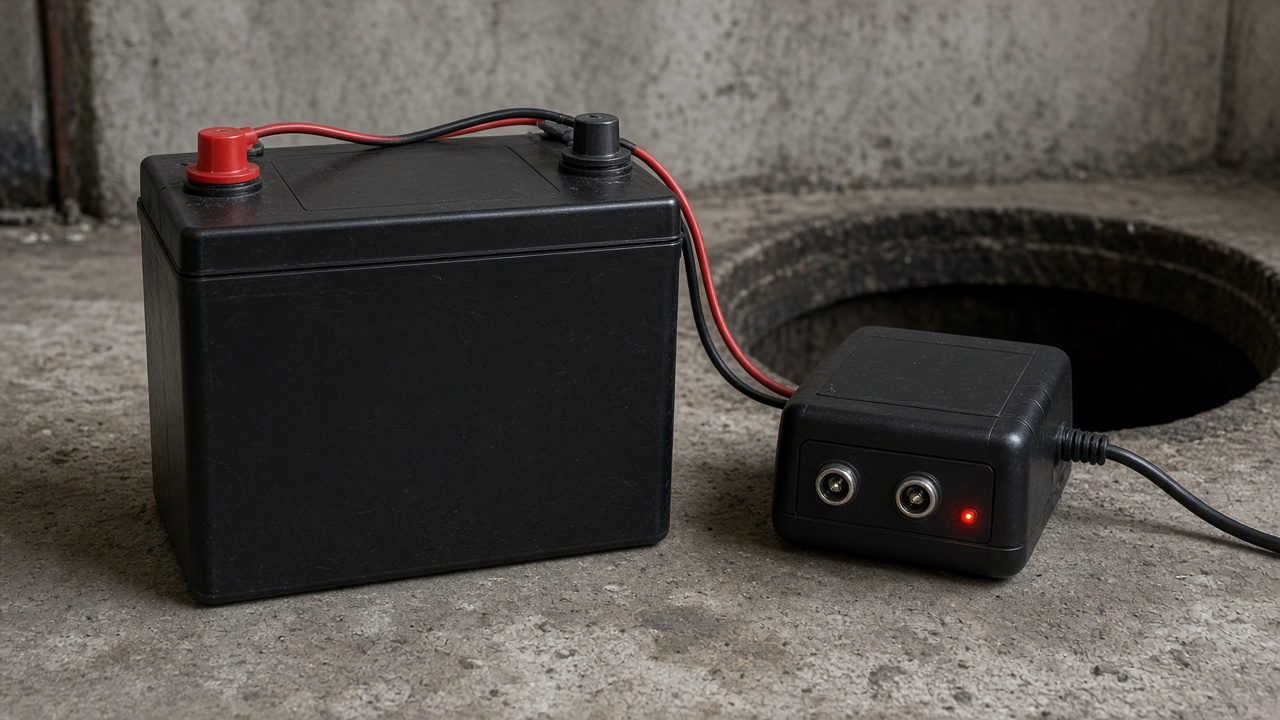
A UPS on the primary only helps while that pump still works and often yields short continuous runtime. A dedicated high-efficiency secondary pump with its own float plus battery covers primary failure and longer intermittent cycling.
Runtime and maintenance
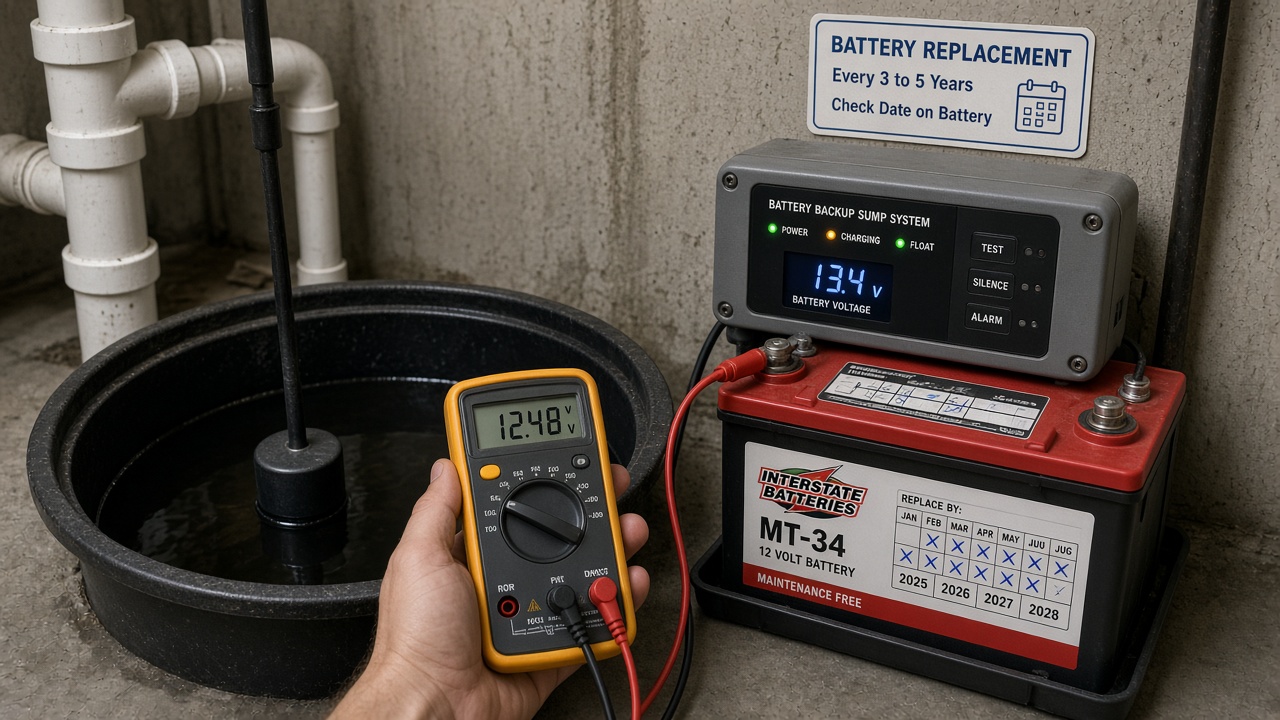
Continuous pumping may last only hours; intermittent cycling lasts longer. Batteries are commonly replaced about every 3–5 years. Test before storm season. A high-water or low-battery alarm still helps even when a backup is installed.
FLAP and backup pumps
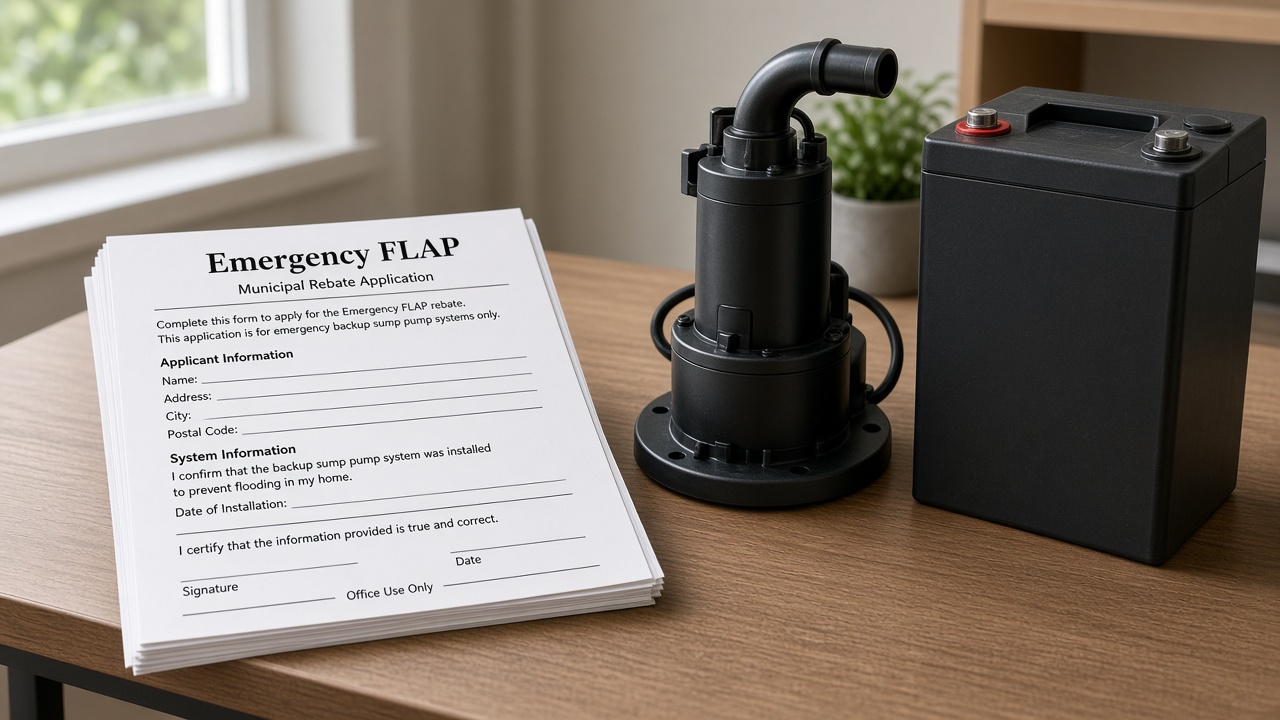
Emergency FLAP may include secondary/backup pumps when tied to eligible weeping-tile disconnect or backwater work. Stand-alone backup add-ons may not qualify—check City rules. Ask for a written quote that lists the secondary pump, battery, charger, alarm, and stated runtime assumptions.
Frequently asked questions
Water-powered backup sump pump — any recommendations or costs in St. Catharines?
Local replies mixed: some use battery + water-powered + alarm stacks; at least one St. Catharines homeowner said the water-powered unit doesn't work that great and preferred battery backup.
Is a battery backup worth it if storms knock out power?
Yes for most finished or high water-table homes — outages often hit during the same storms that fill weeping tile.
Battery on the primary pump vs a second DC pump?
A UPS/battery on the primary only helps while that pump works and often yields short continuous runtime. A dedicated high-efficiency secondary pump + battery covers primary failure and longer runtime.
How long will a backup run?
Depends on pump draw and how often it cycles — continuous pumping may be only hours; intermittent cycling can last longer. Ask for realistic duty-cycle numbers, not brochure maxima.
How often do I replace the battery?
Homeowners commonly cite roughly every 3–5 years (some say about 3) depending on battery type and testing. Test before storm season.
Rough installed cost for backup?
Installed backup cost depends on secondary pump, battery size, charger, alarm, pit space, and electrical work. Ask for a written quote with runtime assumptions stated for your home.
Will backup help if the float switch fails?
Only if the backup has its own float/controls. Battery power alone on a failed primary float may not start.
Do municipal rebates cover backup pumps?
Emergency FLAP may include secondary/backup pumps (battery-powered or water-siphon) when tied to eligible weeping-tile disconnect / backwater work. Stand-alone backup add-ons may not qualify — check City rules.
Do I still need an alarm?
A high-water or low-battery alarm still helps even when a backup is installed.
Can I add backup to an existing pit?
Often yes if the pit has space for a secondary pump/float; crowded small pits may need a larger basin.