Sump pump installation in St. Catharines
New systems, existing-pit swaps, and battery backup for your home—plus clear Emergency FLAP guidance so you know what to ask next.
Water in a St. Catharines basement rarely feels abstract. It shows up after a July storm, as a musty smell in Port Dalhousie or Merritton, a humming pump that moves no water, or a home inspection note that stalls a sale. People search for sump pump installation because they need to know whether the problem is a failed float, a frozen discharge, groundwater through the cove joint, or sewage backing up through a floor drain. Those failures need different fixes.
St. Catharines Sump Pump Installation helps homeowners with wet, flooding, or unreliable sump systems across the city. We focus on clear diagnosis first—new pit, pump swap, backup, or drainage—then a written scope for the work that fits. St. Catharines sits on clay-rich soils along the Lake Ontario and Niagara Escarpment corridor. Lakeside and canal-adjacent pockets—Port Weller, Lakeshore, north St. Catharines—often sit closer to a seasonal water table. The July–August 2026 storms drove Emergency FLAP messaging and sold-out retail pumps.
When you need a sump (and when you need something else)
A sump pump sits in a pit at a low point, collects groundwater from weeping tile or interior drains, and discharges it outdoors away from the foundation. It does not stop sewer backup. A backwater valve does that job. After the 2026 floods, many homeowners confused the two—and some quotes mixed scopes that FLAP will not fund the same way.
- New pit and pump — no pit yet, or weeping tile being disconnected from sanitary into a sump
- Replacement — existing pit, dead or weak pump, stuck float, short-cycling
- Battery backup — finished basement or outage risk during storms
- Drainage — water at walls/cove with no path to the pit; grade and downspouts still wrong
- Backwater path — sewage odour / floor-drain backup (plumbing, not a bigger sump alone)
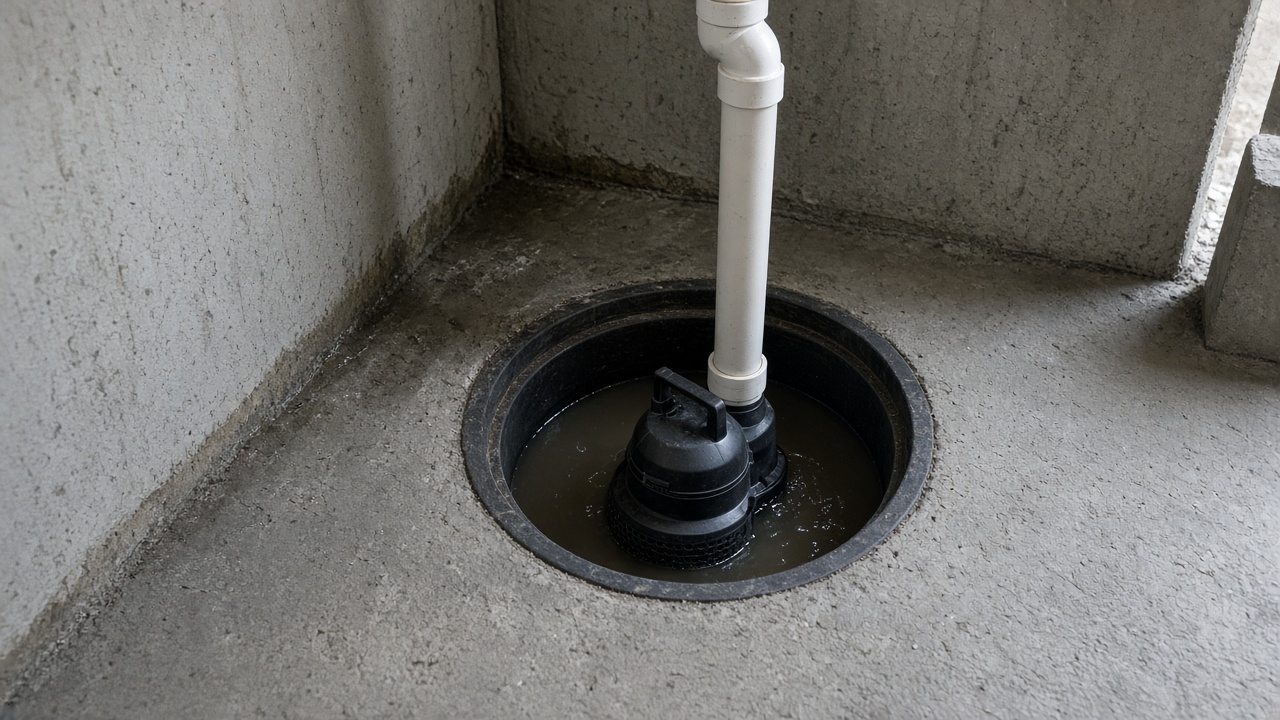
Why St. Catharines basements get wet
Clay holds water against walls. Spring melt and intense summer storms raise hydrostatic pressure. Weeping tile still tied into sanitary can overload sewers during extreme rain—exactly the failure Emergency FLAP targets. Surface water from short downspouts and reverse grade still matters: fix outdoor dumping before or alongside major drainage work.
Neighbourhood colour helps triage, not doorway pages: Port Dalhousie and Port Weller lakeside lots, Downtown and Merritton older stock, Western Hill and Glenridge slopes, Grantham and Martindale, and north St. Catharines streets hit hard in 2026. Winter adds freeze risk at outdoor discharge outlets.
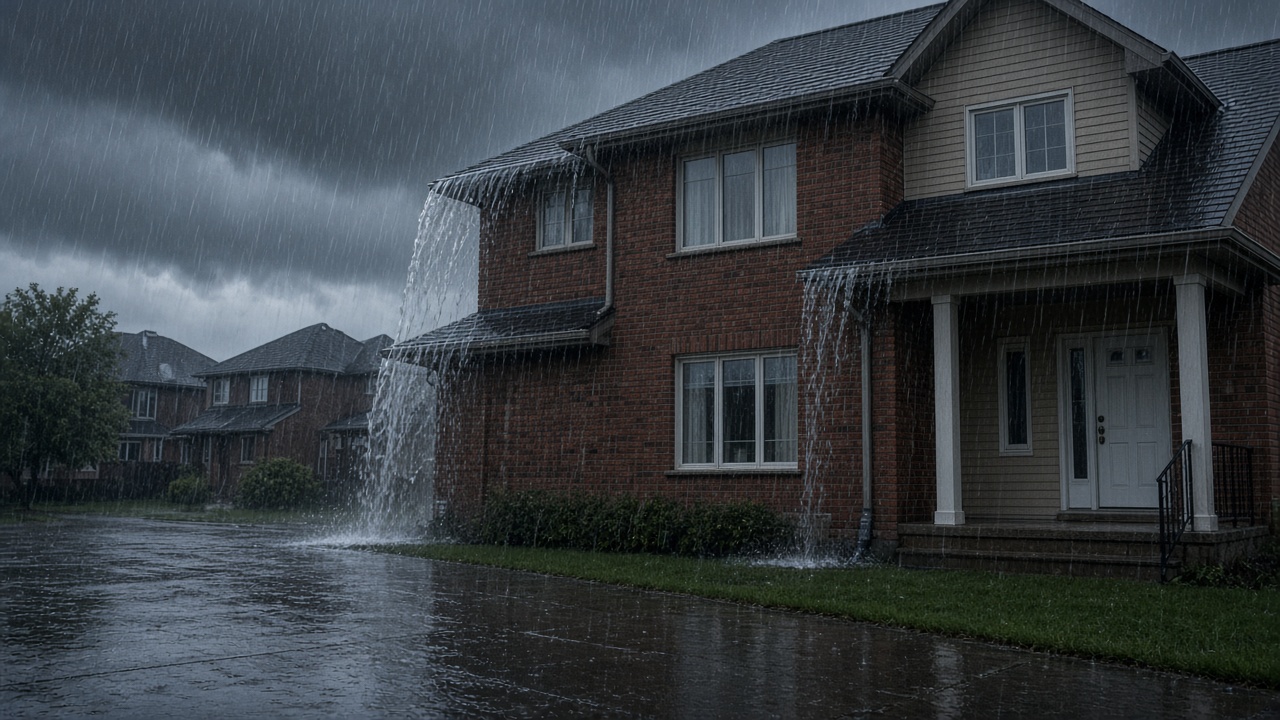
St. Catharines Emergency FLAP in brief
The City’s Emergency Flood Alleviation Program describes reimbursement of 90% of eligible costs up to $5,000 for qualifying flood-prevention work, including certain weeping-tile disconnections reconnected to a sump with a primary pump. A backup may qualify as a related cost when completed with eligible primary work. Stand-alone pump swaps and backups need a separate eligibility check. Confirm timing, eligibility, available funds, discharge, and permits with the City before work. Read the cost and rebates guide for a dated summary and official links.
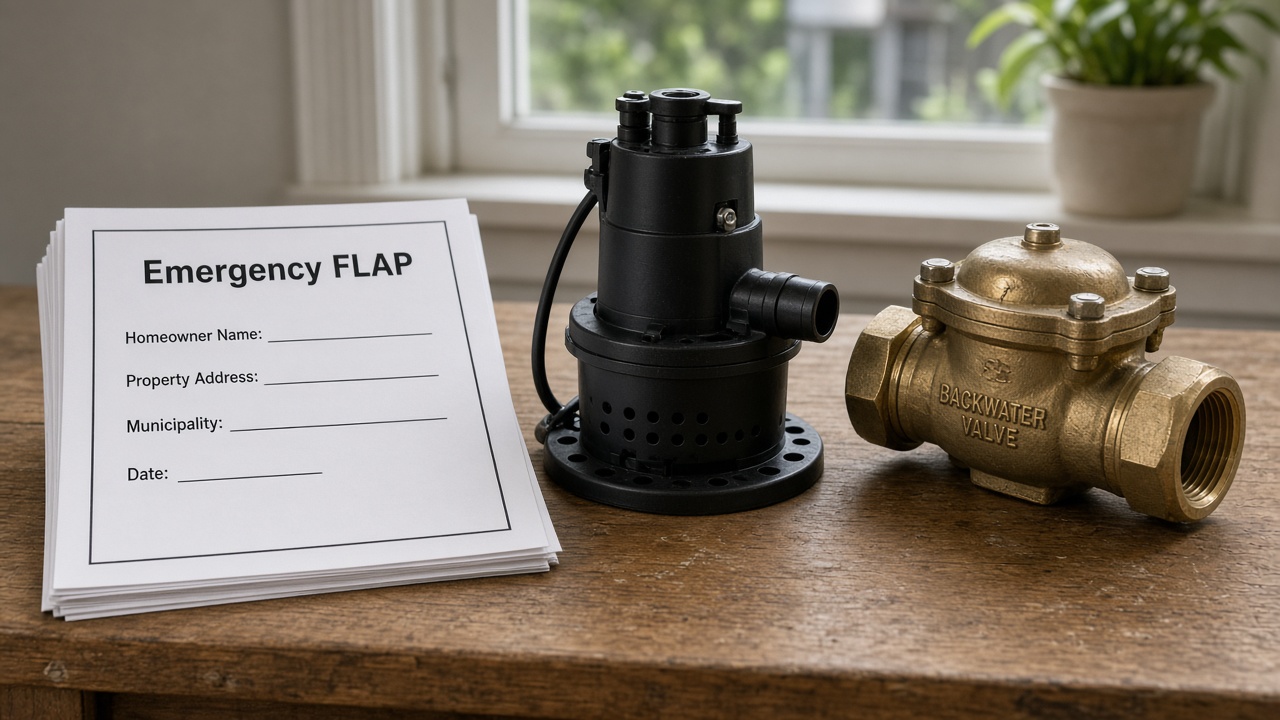
What affects the quote
We do not publish dollar estimate ranges. What you pay depends on the job: new pit versus pump swap, discharge path, electrical, backup equipment, finished versus unfinished access, permits, and restoration. Your written estimate will reflect your home.
What usually changes the number:
- New basin and concrete cutting versus reuse of an existing pit
- Pump class, check valve, and discharge routing (including freeze risk)
- Battery backup, charger, and alarm—if included
- Electrical work and permits
- Cleanup, disposal, and restoration
Sample quote checklist
Use this checklist when you review a written estimate—ours or anyone else’s—so every bid covers the same job.
- Job type: new pit, replacement in existing pit, or backup retrofit
- Pump model / horsepower class and check valve
- Discharge materials, termination, and freeze protection
- Backup pump, battery, charger, alarm, and stated runtime assumptions
- Electrical, permits, and who pulls them
- Cleanup, disposal, and restoration
- Warranty terms—if offered—in writing, plus exclusions and taxes
What to expect from call to dry pit
A typical path after you request a quote:
- Intake — neighbourhood, photos, when water appears, finished or unfinished, existing pit, outage history, sewage odour?
- Diagnosis — float, discharge, grade, weeping-tile connection questions for FLAP
- Written quote — pump, pit work, discharge, backup, electrical, permits
- Permits / municipal process — when on a rebate path
- Install, test, aftercare — keep discharge clear; test backup; seasonal checks
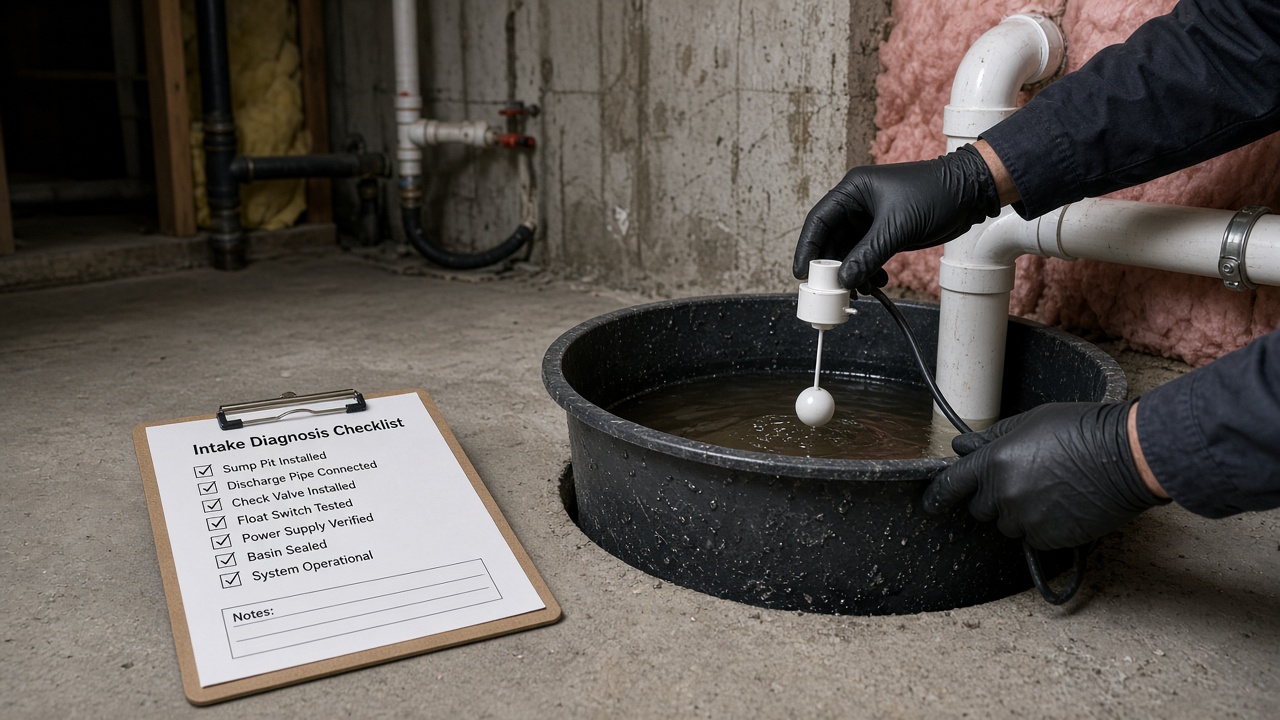
Sump pump FAQs for St. Catharines
After St. Catharines flooding, should I get a sump pump, a backwater valve, or both?
Diagnose the water source first. Sewage/floor-drain backup needs a backwater valve; groundwater through walls/cove needs drainage + sump. Many older St. Catharines homes on sanitary also need weeping-tile disconnection into a sump — and FLAP often funds that combo when eligible.
What does the St. Catharines FLAP / Emergency FLAP rebate cover?
Eligible work can be reimbursed at 90% up to $5,000 for a mainline backwater valve and/or disconnecting weeping tile from sanitary into a sump with primary pump — plus related backup pump, discharge, assessment/CCTV, and Plumbing-Only permit when part of that eligible work. Rules, deadlines, and funding change — confirm on the City site before starting.
Will FLAP pay if I only replace my existing sump pump?
Usually no. Stand-alone sump / hydrostatic pit installs without the required weeping-tile-to-sanitary disconnect scope are listed as ineligible.
After big storms, stores sold out of sump pumps — should I wait or call a pro?
After major storms, retail pumps and shop vacs sell out quickly. If water is active, prioritize stopping inflow and book a licensed installer for a correctly sized pit/discharge system rather than waiting on empty shelves alone.
How much does sump pump installation cost in Ontario?
Cost depends on whether you need a new pit, a pump swap in an existing pit, discharge rework, electrical, backup equipment, permits, and restoration. Compare itemized scopes for the same job—not headline totals alone. Ask for a written quote for your property.
Is a sump pump the same as a backwater valve?
No. A sump pump removes groundwater collected in a pit; a backwater valve helps stop sewer backup into floor drains. St. Catharines rebate programs often fund both paths because they solve different failures.
Why do so many St. Catharines basements flood?
Clay soils, low-lying and lakeside pockets, Escarpment/lake-effect storms, aging foundations, and sanitary overload during extreme rain all contribute — especially when weeping tile still dumps into sanitary.
Should I fix waterproofing / drainage before finishing the basement?
Yes — control liquid water and humidity first. Local advice stresses grade, downspouts, drainage, and sometimes engineering before cosmetic finishes. Prove dryness through heavy rain/melt before framing.
Can FLAP still leave me flooding if my neighbourhood has groundwater issues?
Yes. FLAP targets sewer-backup / weeping-to-sanitary scopes. Homes that flooded from groundwater through foundations still need grading, downspouts, crack sealing, and sometimes interior/exterior drainage — a backwater valve alone will not fix that.
How do I choose among very different quotes after the floods?
Align scope: new vs existing pit, weeping disconnect included?, backwater valve?, pump HP/class, check valve, discharge path, backup included?, electrical, permits, cleanup, warranty in writing. Ask what differs when totals diverge.
Services
Sump pump installation
New pits, primary pumps, check valves, and discharge planning for your home.
Sump pump repair
Float, impeller, check valve, and freeze failures—repair versus replace.
Battery backup systems
Secondary pumps, runtime honesty, and outage protection.
Drainage solutions
Weeping tile, French drains, and grade fixes that feed a working sump.